13 May 2026 Sector & Advocacy
Voice of the Child
Across a multi-year project with the Centre for Community Child Health (CCCH) – a department of The Royal Children’s Hospital and a research group of the Murdoch Children’s Research Institute – we are exploring new ways to support children 3-12 years, particularly those under 8, to share their voices through creativity and play.
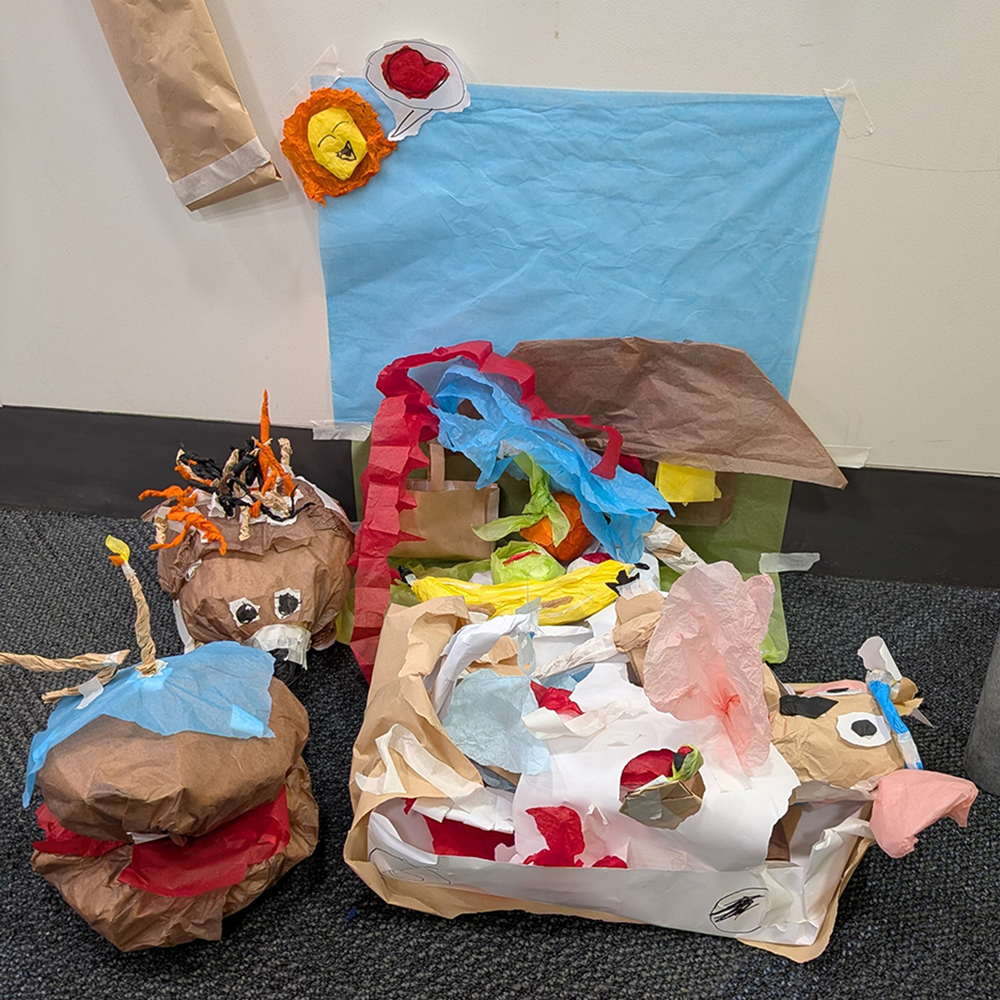
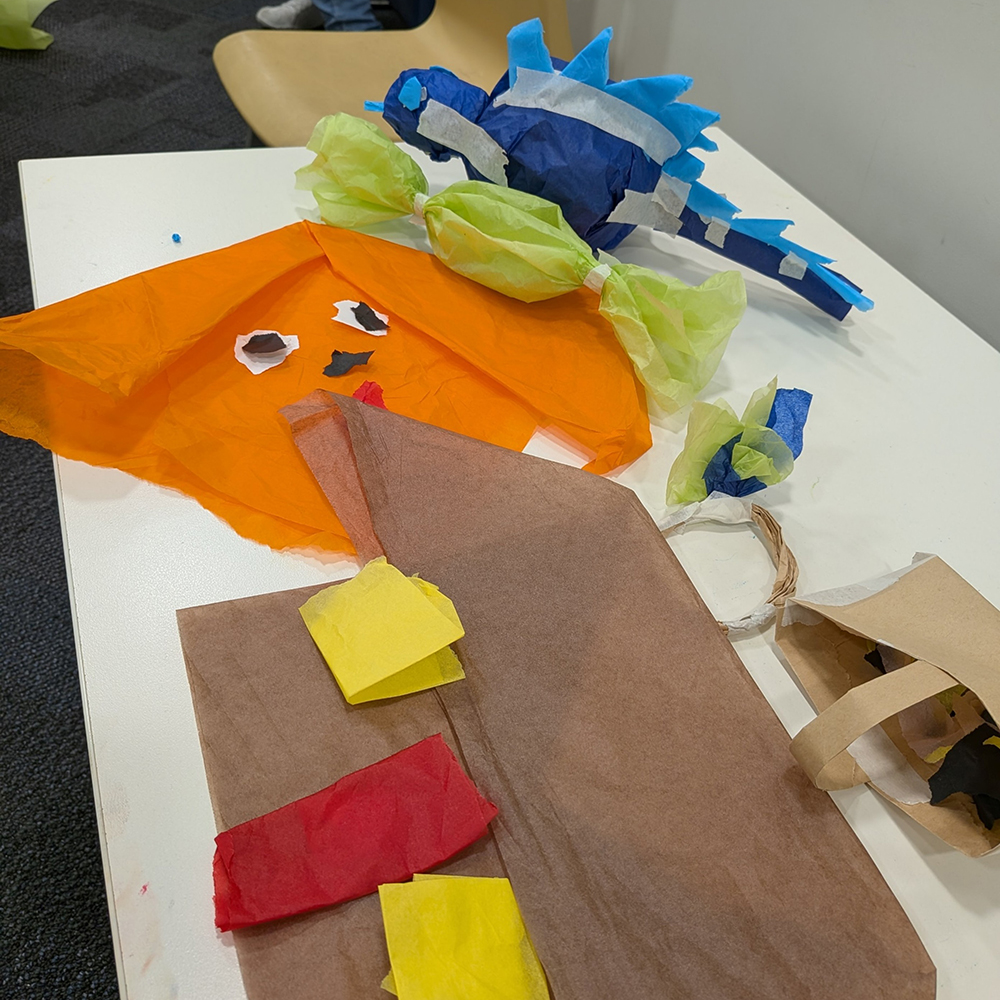
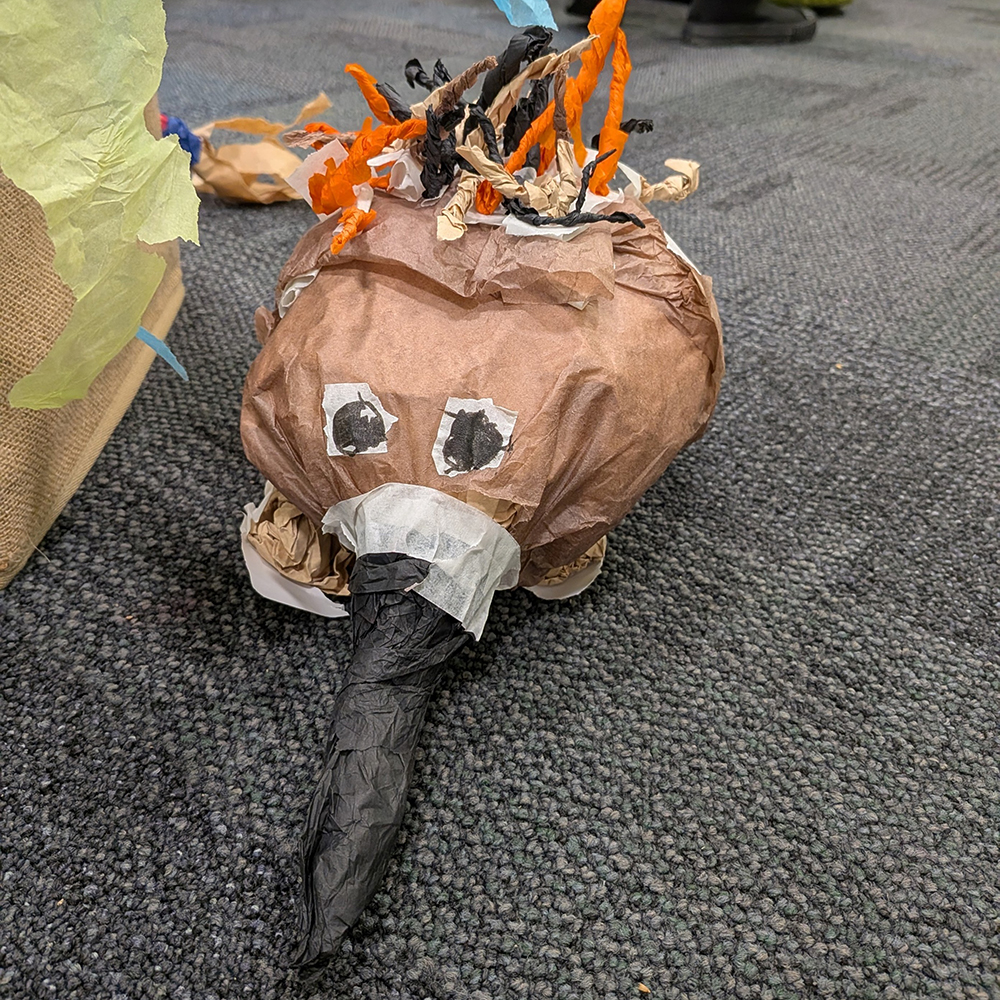
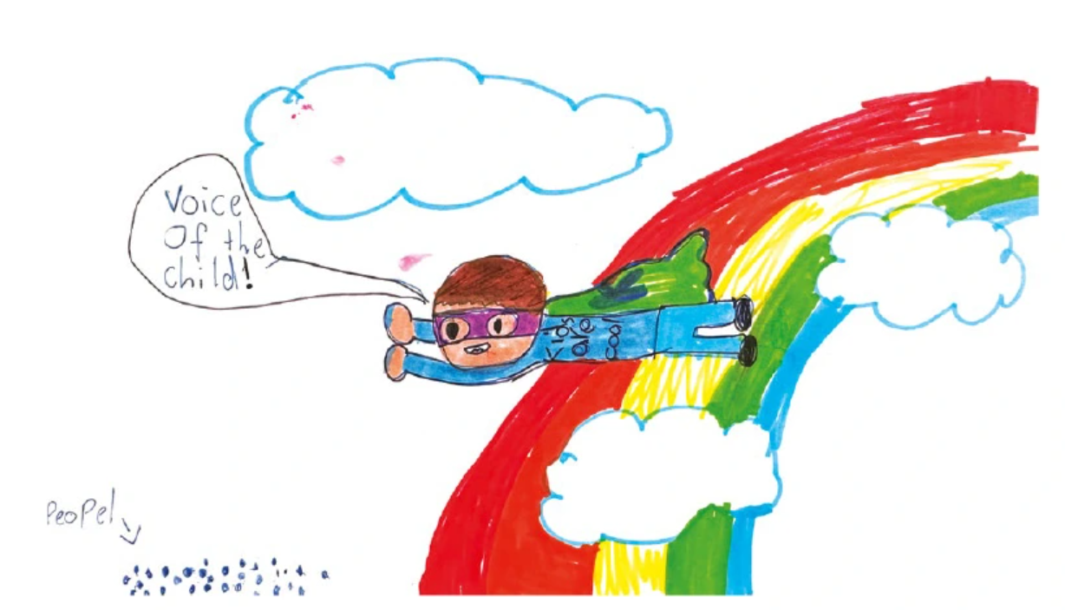
Children’s creations. Feature image: Voice of the Child illustration by Lorna, age 9, courtesy of CCCH.
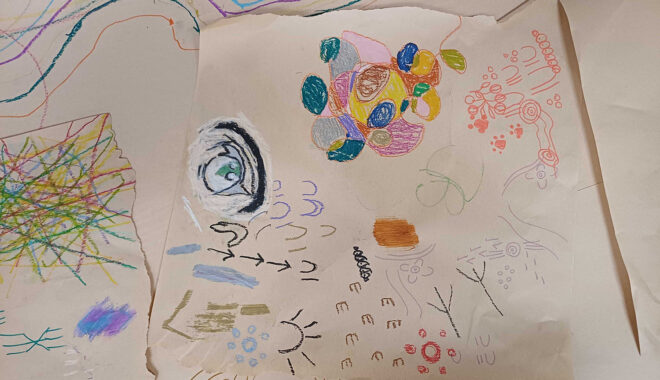
Polyglot artists and the CCCH researchers are working together to engage with children in community healthcare settings and early childhood education centres (ECEC), using Voice Lab, as well as making with paper, tape and drawing. The findings are being used to refine the CCCH Voice of the Child toolkit – a free, evidence-based resource designed for researchers, service providers, clinicians and others keen to include children and embed their voices in meaningful, ethical ways. The findings will also inform the development of capacity-building materials that will support and empower communities, services and other organisations to ensure they are adequately responding to the needs of young children.
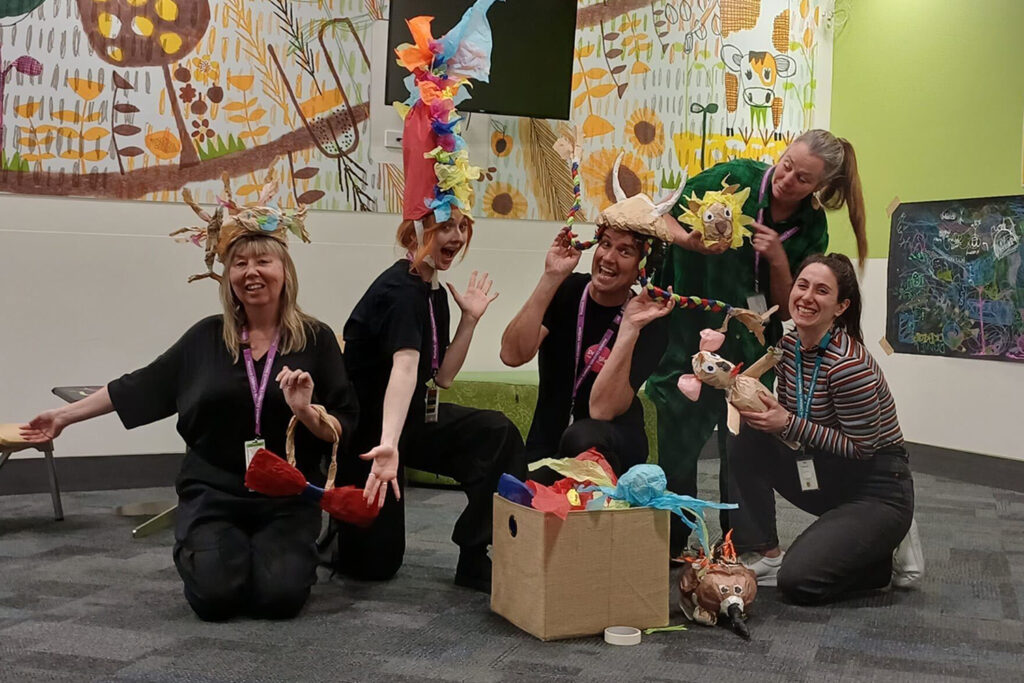
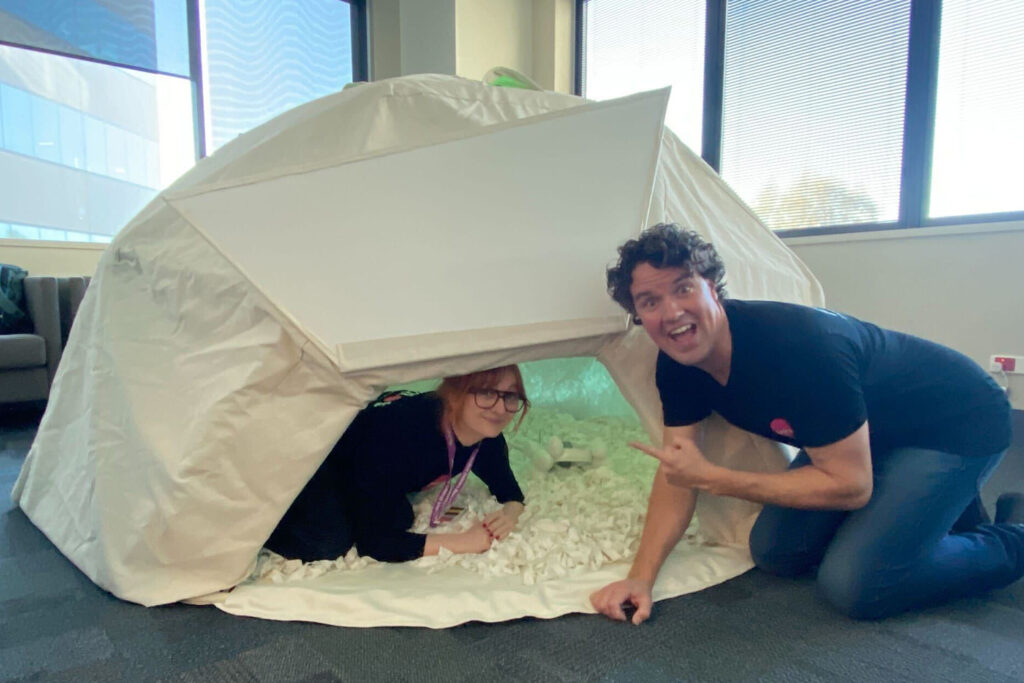
Polyglot & CCCH team.
“Both activities asked the educators to be more theatrical than they usually are… What was wonderful about this, and the collaboration was that we were able to normalise that experimentation for them and help to open up new ways for the educators to bring that sort of experimentation into their classroom practices. Not just in the theatricality of the activity offered, but also in the examination of different ways of expression from the children, not just verbal but through drawing and making and abstraction… Multiple modes of expression across both activities allowed for the children to engage in the ways they felt most comfortable.” – Artist workshop report, ECEC
As part of our 2025 activity in community healthcare settings, Voice Lab spoke to children about visiting new places, sharing their feelings, and being heard by their adults. This is what they told us:
“Numerous children asked if we would be there again the next time they came. One asked if they could come again tomorrow. A parent offered to bring their child back again later in the week even though they didn’t have an appointment, and we were also told that we would be missed by some of the children. It was pretty amazing to see kids proactively wanting to come back… due to the creative interventions that we were offering.” – Artist workshop report, health setting
The following article was originally published on the Centre for Community Child Health website on 17 April 2026:
‘Play your voice out’
By Alice Ghazarian, Voice of the Child Implementation Lead, Centre for Community Child Health
The Centre has piloted the Voice of the Child toolkit with children aged 3–12 across three community health services and two early childhood education and care (ECEC) settings in Victoria.
In partnership with Polyglot Theatre, we have supported services to meaningfully involve children in matters affecting them through playful, child led approaches. One child described the project as giving kids a space to ‘play your voice out’ (age 5). What has emerged is a powerful demonstration of how genuinely listening to children can transform experiences for children, families and practitioners.
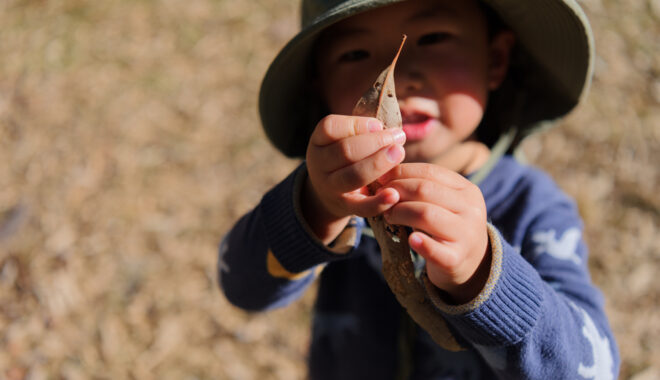
Across all sites, children responded with enthusiasm, often asking for more opportunities to participate in the creative activities. They enjoyed having space to express themselves in ways that felt natural, playful and entirely their own. In health settings, families reported calmer, more regulated children and noticed shifts in mood and communication.
In one regional paediatric clinic, a clinician observed that after participating in the project, a child was the calmest and ‘most settled they had ever seen during an appointment’. Moments like this highlight the value of bringing creativity into health settings and offering children agency in environments where they often have little.
In early learning centres, educators reflected on the professional value of this work. Educators experimented with creative activities aligned to the research questions, prompting new ways for them to support children’s ideas and lead their own learning.
The Voice of the Child pilot has also sparked ongoing activities at participating sites. Some are now extending story based explorations to ease transitions between home and ECEC, while others are trialling non verbal morning check ins that use creative materials to help children share their emotions.
‘The Voice of the Child project reminded me how important it is to slow down and really listen to what children are interested in and trying to express. It encouraged me to involve children more in decision-making.’ – Early years educator
Services have responded with enthusiasm. One service has invited the Voice of the Child team to present site‑level findings to their broader organisational network. This is an important platform to elevate children’s ideas and advocate for meaningful implementation. Another has already implemented changes by expanding how they capture children’s feedback, dedicating newsletter space to children’s voices, and involving children directly in creating their learning portfolios. This service has even taken their site level report to local council, where children’s insights are now informing discussions about play space design.
Through this work, we are humbly reminded that, ‘grown-ups don’t actually know everything’ (child, age 4). These early outcomes signal a growing shift toward systems that genuinely listen to and act on children’s voices.
‘Voice Lab: What is the best thing adults can learn from children? ‘That kids have an opinion too. That kids should have their say.’ – Child, age 12
ccch.org.au/news/2026/play-your-voice-out
Thank You
Polyglot Theatre’s project, Creative Kids Thrive! is supported by VicHealth through the Growing Healthy Communities grant. This includes Polyglot’s participation in research at community healthcare settings, conducted in partnership with CCCH.

CCCH would like to acknowledge Minderoo Foundation, for their support to test and refine the Voice of the Child toolkit in early childhood education and care settings across Australia.
Related news
11 Jun 2026 Sector & Advocacy
International Day of Play 2026
Protect Play, Protect Childhood In March 2024, the United Nations General Assembly passed a resolution declaring 11 June as the International Day of Play, formalising......